Building Element Inefficiencies
An S2e survey will give you a full understanding of the condition and performance of existing building elements and plant equipment.
Identifying building element inefficiencies is essential for schools and academies to gain insights into existing plant and equipment energy consumption, address issues like outdated and costly fossil-fuel boilers, reduce their carbon footprint, and ultimately save energy to allocate additional funds for other school-related needs.
Why identify building element inefficiencies?
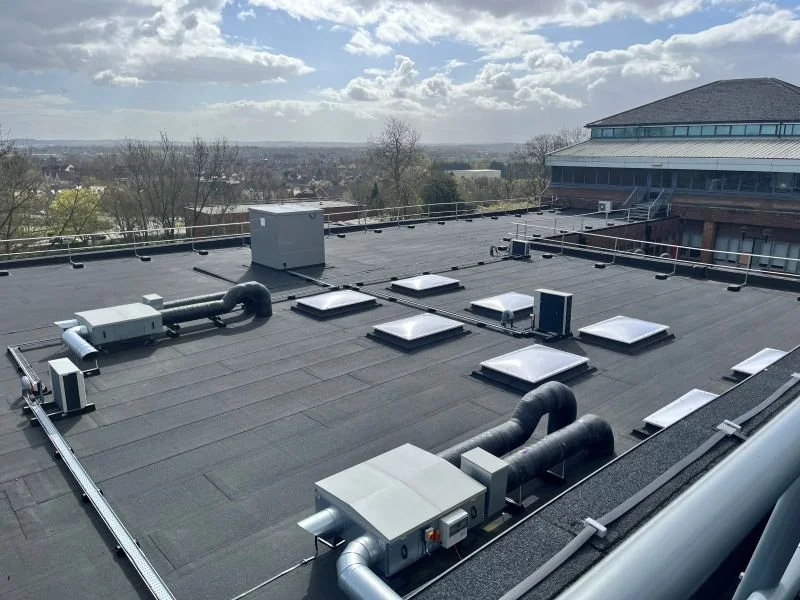
Discover the age and efficiency of existing plant and equipment and its effect on energy usage
Understand the energy performance of existing building fittings such as lighting
Target energy-saving opportunities.
Asking S2e to identify building element inefficiencies will:
Identify plant that would be cost effective to replace
Give you options to install alternatives that are better for the environment, answering pressure from pupils and staff for a greener school
Help your budget by reducing costs.
Collaboration and recommendations
With the information gained from identifying building element inefficiencies, S2e will analyse where you can make the most difference.
We will suggest improvements such as LED lighting, which lasts five times longer than halogen bulbs, creates the same amount of light and uses 80% less power, show you smart energy-management technologies include thermostatic controls for efficient temperature regulation and motion-sensitive lighting to prevent you wasting money and advise on government funding for decarbonisation to replace fossil-fuel boilers and install LED lighting.
For more information on our Building Fabric Assessment service please call 0116 5070130 or email enquire@s2e.org.uk.